 Ideal Fulfillment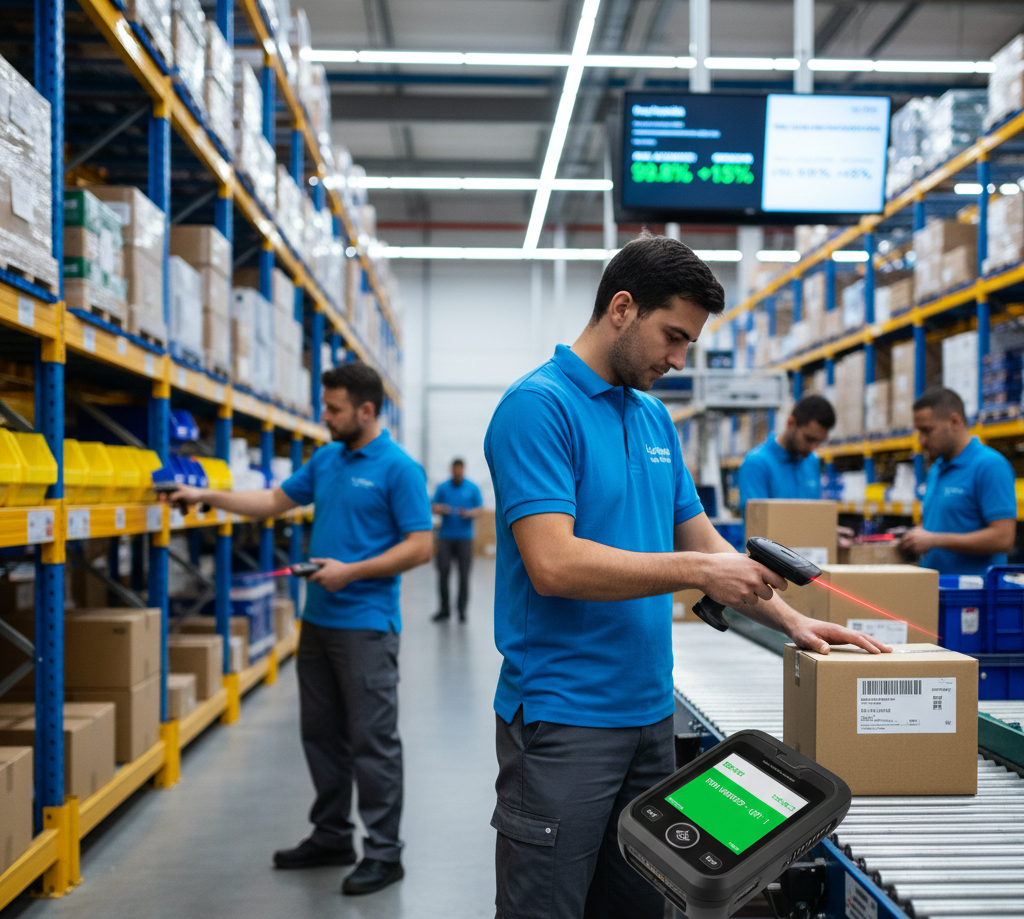
If you’ve ever felt like your fulfillment operation is constantly busy but never truly efficient, you’re not alone. Many e-commerce and retail brands reach a frustrating stage where orders are moving, staff is working nonstop, and customers are receiving packages, yet margins keep shrinking and operational stress keeps rising. At Ideal Fulfillment, this is one of the most common situations we see when brands begin evaluating their logistics partners or questioning their current setup.
The underlying issue is rarely effort. It’s structure. When warehouse systems aren’t designed to scale, growth amplifies inefficiency instead of profitability. Processes overlap, labor compensates for poor layouts, and errors become accepted as “normal.” Over time, these inefficiencies quietly drive up 3PL warehouse costs, making fulfillment feel like a cost center instead of a growth engine.
Optimizing warehouse efficiency isn’t about squeezing more work out of people. It’s about building smarter systems, ones that reduce wasted motion, improve accuracy, and create predictability. When efficiency improves, everything else follows: faster shipping, fewer errors, happier customers, and healthier margins. This guide breaks down how to optimize 3PL warehouse efficiency in practical, scalable ways that directly impact cost control and performance.
How Can You Optimize 3PL Warehouse Efficiency?
Optimizing 3PL warehouse efficiency starts by improving the processes that most directly affect speed, accuracy, and labor utilization. The most effective strategies focus on layout optimization, inventory accuracy, picking efficiency, workforce training, and technology integration. Efficient warehouses minimize unnecessary movement, reduce the number of touchpoints per order, and rely on real-time data to guide decisions. Clear workflows and standardized processes ensure consistency, while smart slotting and optimized pick paths dramatically reduce travel time. Technology, such as a warehouse management system (WMS), improves visibility and reduces manual errors. When these elements work together, efficiency improves and 3PL warehouse costs become predictable and easier to control as volume scales.
What Are The 5 Ways Of Improving The Efficiency Of A Warehouse?
Five proven ways to improve warehouse efficiency include optimizing layout, improving inventory accuracy, streamlining picking processes, standardizing workflows, and investing in workforce training. Layout optimization reduces unnecessary walking, congestion, and backtracking. Accurate inventory eliminates time wasted searching for misplaced stock. Streamlined picking methods, such as batch, zone, or wave picking, reduce travel time and decision fatigue.
Standardized workflows ensure every order follows the same efficient path, reducing variability and errors. Finally, well-trained employees work faster, safer, and with greater consistency. Many companies begin this process by reviewing their current operation and requesting quotes from experienced 3PL providers to identify where inefficiencies are inflating 3PL warehouse costs.
What Are The Top 3 Drivers Of Efficiency In Fulfillment Operations?
The three biggest drivers of fulfillment efficiency are process design, technology, and people. Process design determines how smoothly orders flow from receiving to shipping. Poorly designed processes create bottlenecks that no amount of labor can fix. Technology provides real-time visibility and automation, enabling faster decisions and fewer errors. People—when properly trained and supported, execute processes consistently and adapt to changing demand.
According to the Council of Supply Chain Management Professionals, fulfillment efficiency improves most when these three elements are aligned rather than optimized in isolation. At Ideal Fulfillment, we focus on balancing all three so efficiency improvements translate directly into lower 3PL warehouse costs and more reliable service.
How To Improve Efficiency In Logistics?
Improving logistics efficiency requires looking beyond the warehouse floor. Transportation coordination, inventory forecasting, and data sharing all influence warehouse performance. Efficient logistics align inbound shipments with outbound demand, reducing congestion and unnecessary storage. Clear communication between fulfillment teams, carriers, and clients prevents delays and rework. Accurate forecasting reduces overstocking and stockouts, both of which increase handling 3PL warehouse costs.
When logistics and fulfillment operate as one integrated system, efficiency improves across the board. This alignment keeps 3PL warehouse costs stable and prevents last-minute problem-solving that drains resources.
How To Increase Picking Efficiency In A Warehouse?
Picking is one of the most labor-intensive warehouse activities, which makes it a major driver of cost. Increasing picking efficiency starts with reducing travel time and decision-making at the pick face. Smart slotting places high-velocity SKUs near packing stations and groups commonly ordered items together. Clear labeling and standardized locations eliminate hesitation and errors.
Picking strategies such as batch picking, zone picking, or wave picking should be matched to order profiles and volume. Barcode scanning and mobile devices ensure accuracy without slowing speed. Regular analysis of pick data helps identify inefficiencies before they become habits. Even small improvements in picking efficiency can lead to meaningful reductions in 3PL warehouse costs.
The Role Of Technology In Warehouse Optimization
Technology is no longer optional in modern 3PL operations. A robust warehouse management system provides real-time inventory visibility, guides picking routes, and tracks performance metrics. Automation tools reduce repetitive tasks and free employees for higher-value work. Reporting dashboards allow managers to identify inefficiencies early instead of reacting after problems escalate.
At Ideal Fulfillment, technology supports people rather than replacing them. When used correctly, it creates scalable systems that handle growth without driving up 3PL warehouse costs.
Why Layout And Slotting Matter More Than You Think
Warehouse layout quietly influences efficiency every minute of every day. Long pick paths, congested aisles, and poorly slotted inventory add seconds or minutes to each order. Over thousands of orders, that time turns into hours of labor and rising 3PL warehouse costs.
Regular slotting reviews ensure fast-moving products are placed in logical, accessible locations and adjusted for seasonality. Efficient layouts reduce employee fatigue, minimize errors, and prevent unnecessary labor expansion as volume grows. Few changes deliver faster ROI than thoughtful layout optimization.
Managing Labor Without Inflating 3PL Warehouse Costs
Labor is one of the largest contributors to 3PL warehouse costs, which makes it a critical focus for optimization. Efficient warehouses align staffing levels with demand using flexible scheduling and cross-trained teams. Performance metrics help identify training gaps and prevent burnout before productivity declines.
When labor planning is proactive instead of reactive, warehouses reduce overtime, improve morale, and maintain consistency even during peak periods. This balance is essential for long-term efficiency.
Why Standardization Improves Consistency And Accuracy
Standardized processes remove guesswork from fulfillment. When every order follows the same steps, variability drops and accuracy improves. Standardization also simplifies training and allows teams to scale quickly without sacrificing quality.
Clear SOPs, consistent labeling, and repeatable workflows create predictable outcomes, one of the most effective ways to control 3PL warehouse costs while improving service levels. You’ll find useful guidance in What Are the Real Costs of 3PL Warehousing?
Measuring Efficiency The Right Way
Efficiency should be measured using metrics that reflect real performance, not just activity. Orders per labor hour, pick accuracy, dock-to-stock time, and cost per order provide clearer insight than raw volume. Tracking these KPIs over time helps identify trends and evaluate whether changes are delivering real improvement.
Without proper measurement, inefficiencies hide in plain sight and costs quietly rise.
Long-Term Efficiency Vs Short-Term Fixes
Short-term fixes, adding labor, rushing orders, skipping quality checks, may solve immediate problems but create long-term instability. Sustainable efficiency comes from system design, not constant intervention. Warehouses that invest in structure, training, and data avoid firefighting and keep 3PL warehouse costs under control as they scale.
Final Thought
Warehouse efficiency isn’t achieved through quick fixes or constant hustle. It’s built through thoughtful design, disciplined execution, and continuous improvement. When fulfillment operations are optimized, costs stabilize, service improves, and growth becomes manageable instead of chaotic. The most successful 3PL strategies focus on long-term efficiency rather than short-term patches. When efficiency improves, everything else follows, including profitability.
If rising 3PL warehouse costs are holding your business back, it may be time to rethink how your fulfillment operation is structured. Reach out to Ideal Fulfillment to explore smarter, more efficient 3PL solutions. At Ideal Fulfillment, we help businesses optimize warehouse performance, reduce waste, and scale with confidence, no pressure, just practical expertise built around your operation.
Follow our social media pages below: