 Ideal Fulfillment
A customer who discovers your brand on Instagram doesn’t know — and doesn’t care — whether they end up buying from your Shopify store, your Amazon listing, or the boutique down the street. What they care about is whether the product arrives on time, in good condition, and as advertised. The channel is invisible to them. The experience is everything.
For the brand on the other side of that transaction, the channel is very visible. It shapes every operational decision: how the order gets picked, how it gets packaged, how it gets shipped, what documentation goes with it, and what happens when something goes wrong. Managing those differences across multiple channels is one of the most underestimated operational challenges in modern commerce — and it’s exactly what the right fulfillment center is built to solve.
When your fulfillment center operates as a true omnichannel partner, the channel stops being a constraint. Orders from every corner of your business flow through one operation, executed correctly for each context, without your team rebuilding the wheel every time you add a new sales channel.
Table of Contents
The Channel-Blind Customer and the Channel-Aware Brand
Customer expectations have converged across channels even as the operational requirements have diverged. A shopper who buys from you on Amazon expects the same product experience they’d get buying direct — the same quality, the same speed, the same satisfaction when they open the box. If something goes wrong, they hold your brand accountable regardless of which platform facilitated the transaction.
At the same time, fulfilling that Amazon order looks nothing like fulfilling a D2C order from your own site. It might require FNSKU labeling, specific poly-bag prep, and shipment to an Amazon FC rather than direct to the customer. A wholesale order requires EDI documentation and routing guide compliance. A retail replenishment order needs floor-ready merchandise prep and store-level allocation. Same brand, same product, completely different operational playbook.
The challenge isn’t understanding that these channels are different. Most brands figure that out quickly. The challenge is building or finding a fulfillment center capable of executing all of them correctly, simultaneously, without errors and without requiring your team to manage it all manually.
What “Channel-Agnostic Fulfillment” Actually Means
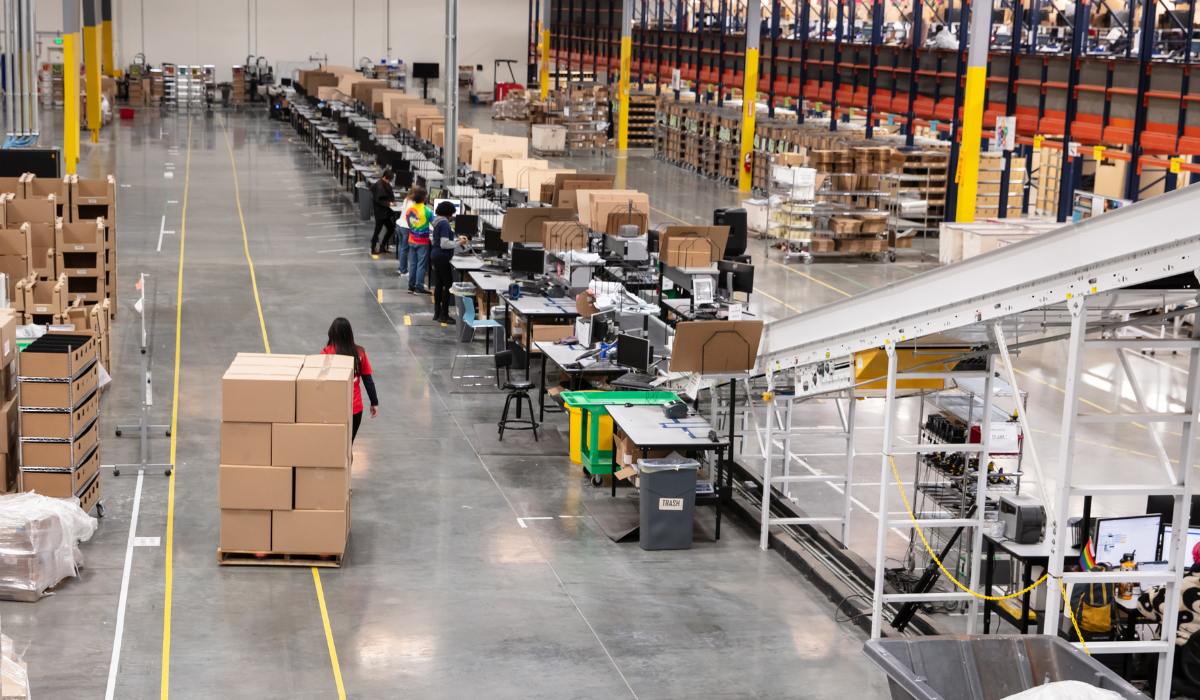
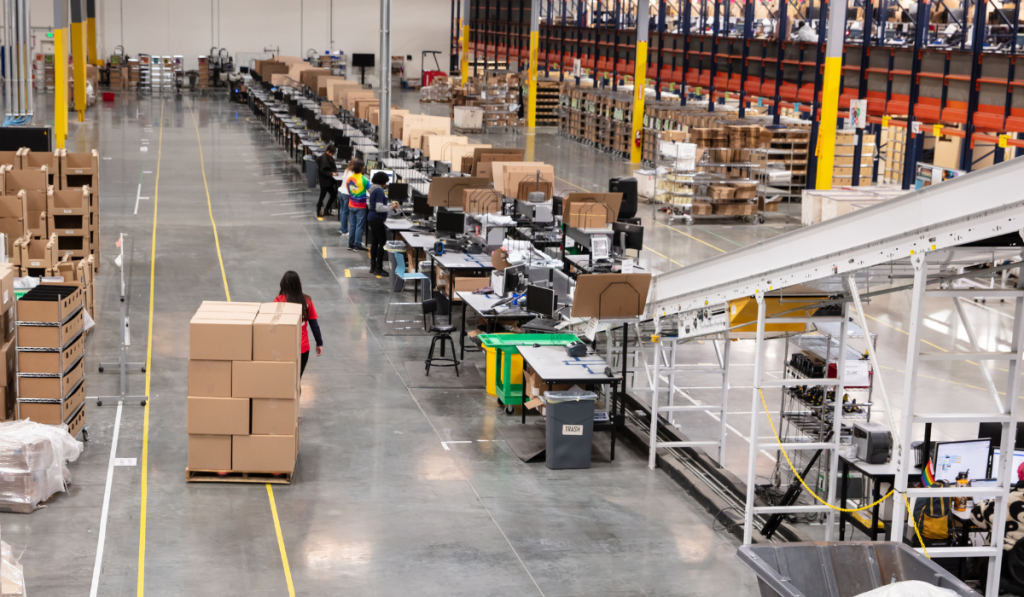
Channel-agnostic fulfillment doesn’t mean treating every order the same. It means having a fulfillment center with the infrastructure, technology, and expertise to execute each channel’s requirements precisely — and doing it from a unified operation so inventory, data, and accountability don’t fragment across multiple partners.
Think of it like a restaurant kitchen. A skilled kitchen produces dishes across a full menu simultaneously — some take five minutes, some take thirty, some have specific plating requirements, some go out in to-go containers. What makes it work isn’t simplicity. It’s the fact that one team, in one space, with the right equipment and training, can execute all of it without confusing the orders or delivering the wrong dish to the wrong table.
A fulfillment center operating this way handles D2C, B2B, marketplace, and retail orders in parallel — each routed through the correct workflow, each executed to the right standard, all pulling from one live inventory pool. The brand gets consistency. Customers on every channel get a great experience. And operations teams get their time back.
How the Right Fulfillment Center Handles Each Channel
Direct-to-Consumer
D2C fulfillment is where brands feel the most pressure and where the experience gap is most visible to end customers. The fulfillment center is essentially the last mile of your brand experience before the product reaches someone’s door.
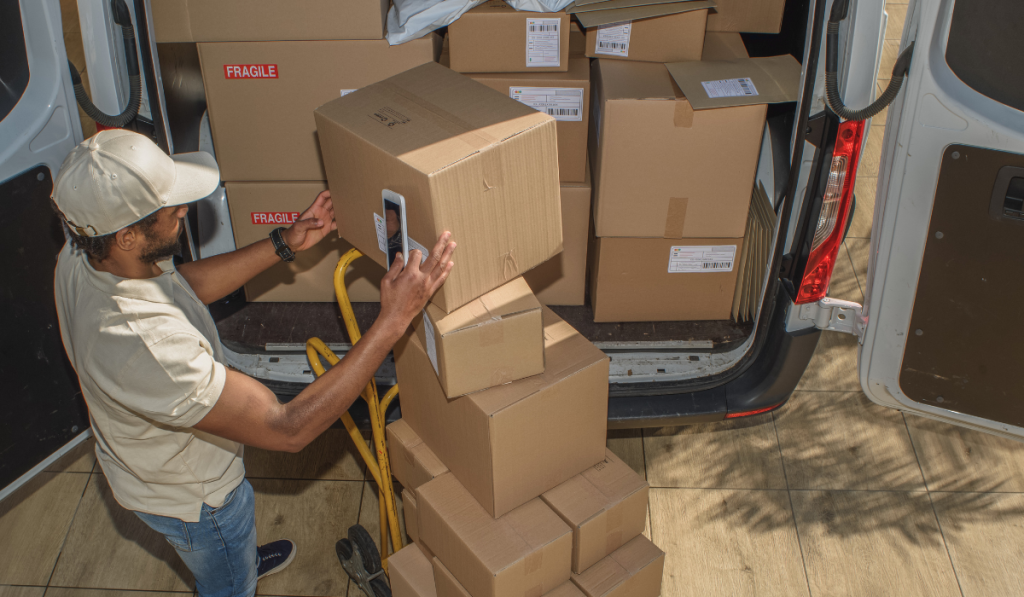
The baseline expectations are high: orders shipped same-day, tracking communicated immediately, packaging that reflects the brand rather than an afterthought. A fulfillment center that takes D2C seriously has fast, accurate pick-and-pack operations, carrier relationships that deliver cost-effective rates without sacrificing transit times, and the ability to execute branded packaging — custom boxes, tissue, inserts, thank-you cards — at order level across high daily volumes.
Beyond the standard order, D2C fulfillment often requires flexibility: gift messaging, subscription box kitting, personalization, or promotional inserts that change campaign to campaign. The right fulfillment center doesn’t treat these as exceptions that slow down the line. They’re built into the workflow.
Returns matter here too. A D2C return handled poorly — a confusing process, a delayed refund, a restocking fee that wasn’t disclosed — ends the customer relationship. A smooth return experience, with a prepaid label, fast processing, and immediate refund or exchange, often saves it. A fulfillment center with structured reverse logistics for D2C keeps your return experience consistent regardless of volume.
Wholesale and B2B
Wholesale relationships are built on reliability. A buyer who places a purchase order expects that order to arrive on time, accurately filled, with the right documentation, and in compliance with their routing guide. Miss any one of those things, and you’re looking at chargebacks, delays, and a buyer who starts questioning whether you’re the right vendor.
A fulfillment center built for B2B has this infrastructure in place before you need it. EDI connections for the major trading partner networks handle purchase order intake, ASN transmission, and invoice exchange automatically. Routing guide profiles for your accounts ensure every outbound shipment meets that account’s specific requirements — carton labeling, pallet configuration, carrier selection, delivery appointment scheduling.
The chargeback prevention piece is worth emphasizing. Chargebacks from non-compliant shipments aren’t just an inconvenience — they’re often 2–3% of the order value, applied retroactively, sometimes months after the shipment. For a brand doing meaningful wholesale volume, that adds up fast. A fulfillment center with strong B2B expertise catches compliance issues internally before they become chargebacks, protecting margin that would otherwise quietly disappear.
Marketplace Fulfillment
Selling on Amazon, Walmart Marketplace, or other third-party platforms puts your fulfillment operations under a different kind of scrutiny. These platforms monitor seller metrics closely — late shipment rate, cancellation rate, tracking accuracy — and use them to determine everything from Buy Box eligibility to whether your listings get promoted or suppressed.
A fulfillment center experienced in marketplace operations maintains the metrics that protect your seller standing. For seller-fulfilled orders, that means strict adherence to the platform’s SLA windows and tracking upload requirements. For FBA or WFS inventory, that means accurate prep — FNSKU labeling, poly-bagging, bundling, and shipment to the platform’s fulfillment network in compliant quantities and configurations.
Brands that try to handle marketplace prep in-house often find it more time-consuming than expected. Labels get misapplied. Quantities get miscounted. A shipment arrives at the FC with items that weren’t prepped correctly and gets rejected or assessed a prep fee. These are avoidable costs — and a fulfillment center that does this every day doesn’t make those mistakes.
Retail Replenishment
Getting into retail is a milestone for most brands. Staying in retail — keeping shelves stocked, maintaining a good vendor scorecard, and growing the relationship — requires a level of operational consistency that surprises many brands that are used to D2C.
Retail replenishment from a fulfillment center involves floor-ready merchandise prep: applying the retailer’s required ticketing, hanging garments if required, poly-bagging items, building display units, and in some cases packing to the store level so each location gets exactly the right assortment. It involves coordinating delivery appointments and meeting delivery windows. It involves managing the advance ship notice process so the retailer’s DC can receive your shipment efficiently.
The brands that retailers love to work with are the ones that never cause problems at the receiving dock. That reputation is built one compliant shipment at a time, and a fulfillment center that takes retail replenishment seriously makes it happen consistently.
The Inventory Equation
Every channel conversation eventually comes back to inventory. Where does it live? How is it allocated? Who knows in real time what’s available to sell?
Fragmented fulfillment creates fragmented inventory. When D2C orders ship from one location and wholesale orders ship from another, you’re maintaining two separate inventory pools — which means you need safety stock at each location, you can’t easily reallocate between channels when demand shifts, and your team spends time reconciling counts that should agree but often don’t.
The right fulfillment center solves this by managing a single unified inventory pool connected to all your channels simultaneously. When an order comes in from any channel, it pulls from the same pool. Stock levels update in real time across all your connected platforms. A Shopify storefront, an Amazon listing, and a wholesale EDI connection all see the same live inventory numbers — which means no overselling, no emergency transfers, no angry buyers.
That unified visibility also gives you information that drives better decisions. Velocity data by channel tells you where each SKU moves fastest. Age-of-inventory reporting helps you identify slow movers before they become write-offs. Inbound receiving updates tell you when your POs are processed and available to sell, so you can time promotions and restock announcements accurately.
Technology: The Connection Tissue
A fulfillment center’s operational capabilities are only as valuable as its ability to connect to your sales channels. Integrations are the connective tissue that turns a capable warehouse into a true omnichannel fulfillment partner.
Ideal Fulfillment’s technology stack connects natively with the platforms where brands sell: Shopify, WooCommerce, BigCommerce, Amazon Seller Central, Walmart Marketplace, and EDI-based wholesale channels. Orders flow in automatically at purchase. Inventory updates push out in real time. Tracking information is passed back to your storefront and to your customers without manual intervention.
The client-facing portal gives you a single place to see everything: live inventory by SKU, order status across all channels from received through delivered, inbound PO status, returns disposition, and exception reporting when something needs attention. That visibility means your team isn’t fielding information requests from multiple directions — it’s all in one place, always current.
The Cost of Getting the Fulfillment Center Decision Wrong
The operational case for the right fulfillment center is clear. But there’s a strategic cost to getting it wrong that’s worth naming directly.
An under-equipped fulfillment center — one that can handle D2C but not B2B, or one that lacks retail compliance capability — limits which channels you can credibly sell through. If your fulfillment can’t meet a major retailer’s routing guide requirements, you either don’t pursue that relationship or you pursue it and damage it with your first shipment.
A fragmented fulfillment setup — multiple partners, split inventory, manual reconciliation — limits how fast you can grow. Every new channel addition requires a new operational conversation. Every peak season requires coordinating across partners. Every error requires figuring out which partner is responsible.
The right fulfillment center removes these limits. It’s infrastructure that scales with you, built to handle what you sell today and what you’ll sell in three years. Choosing it early is one of the highest-leverage decisions a growing brand can make.
Why Ideal Fulfillment Is the Right Fulfillment Center for Omnichannel Brands
Ideal Fulfillment was purpose-built for brands that sell across multiple channels and need a fulfillment center that can keep up. The full capability stack — D2C pick-and-pack with branded packaging, EDI-connected B2B fulfillment, marketplace prep and compliance, retail replenishment with floor-ready merchandise prep, unified inventory management, and structured reverse logistics — runs from a single operation under a single point of accountability.
Clients don’t have to manage multiple vendor relationships or reconcile inventory across systems. They don’t have to choose which channel gets prioritized when things get busy. They get a fulfillment center that treats every channel as equally important, executes each one correctly, and gives them the visibility to run their business with confidence.
Your customers don’t care where they buy. With Ideal Fulfillment as your partner, your fulfillment center doesn’t have to either.
Let’s Talk About Your Channels
Whether you’re expanding from D2C into wholesale, launching on a new marketplace, or scaling a retail program that’s outgrown your current operation, Ideal Fulfillment is ready to support every channel you sell through. Reach out to start the conversation about what your fulfillment center should look like.