 Ideal Fulfillment
For years, third-party fulfillment centers were viewed as a necessary operational expense—places where inventory sat, orders were packed, and boxes were shipped. Brands chose fulfillment partners based largely on square footage, location, and cost per pick. If orders went out on time, the relationship was considered a success.
In 2026, that mindset is rapidly disappearing.
Today’s e-commerce brands are operating in a far more complex environment: omnichannel sales, tighter delivery expectations, rising labor costs, unpredictable demand cycles, and customers who expect speed, transparency, and consistency across every interaction. In response, third-party fulfillment centers are evolving from passive storage facilities into active strategic partners—playing a direct role in growth, customer experience, and long-term scalability.
This shift marks a turning point for logistics. Fulfillment is no longer just about moving products efficiently. It’s about supporting smarter decisions, improving margins, and enabling brands to grow without breaking their operations.
Table of Contents
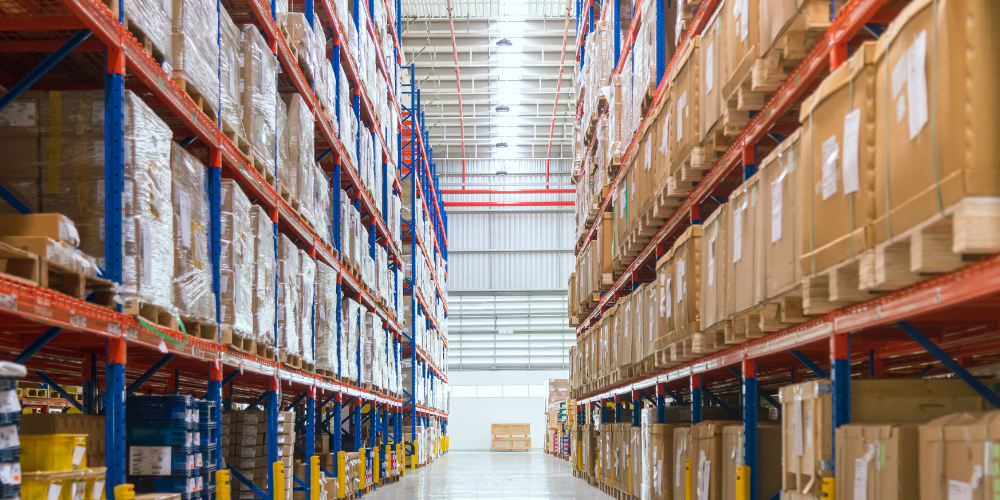
The Old Model: Fulfillment as a Back-End Function
Historically, fulfillment centers focused on a narrow scope of responsibilities:
- Receive inventory
- Store products
- Pick and pack orders
- Ship orders to customers
The relationship between brand and warehouse was often transactional. Communication was limited, reporting was basic, and problem-solving was reactive. If inventory ran low, orders were delayed. If demand spiked unexpectedly, brands scrambled to hire labor or rent overflow space.
This model worked when e-commerce was simpler. But as sales channels multiplied and customer expectations rose, the cracks became impossible to ignore.
Why Fulfillment Is Being Forced to Evolve
Several major forces are driving the evolution of third-party fulfillment in 2026.
1. Customer Expectations Have Permanently Shifted
Fast shipping is no longer a competitive advantage—it’s the baseline. Customers expect accurate delivery estimates, real-time tracking, fast processing, and easy returns. Any breakdown in fulfillment reflects directly on the brand, not the warehouse.
2. Sales Channels Are More Complex Than Ever
Most brands are no longer shipping from a single storefront. Orders may come from a DTC website, marketplaces, social commerce platforms, subscription programs, and wholesale accounts—all pulling from the same inventory pool.
This complexity demands tighter coordination, better systems, and more proactive fulfillment planning.
3. Costs Are Harder to Predict Internally
Labor shortages, wage increases, shipping surcharges, warehouse rent, and packaging costs fluctuate constantly. Many brands are realizing that managing fulfillment internally exposes them to financial volatility they’re not equipped to handle.
4. Growth Without Infrastructure Is a Risk
Scaling sales without scalable fulfillment leads to errors, delays, and burned-out teams. Brands that want to grow sustainably need fulfillment partners who can grow with them—without constant disruption.
The New Role of the Fulfillment Center in 2026
Modern third-party fulfillment centers are no longer confined to the role of executing orders behind the scenes. In 2026, they play an increasingly influential role in shaping strategic decision-making across the entire business. As e-commerce operations grow more complex, fulfillment partners have become deeply embedded in how brands plan, forecast, and scale.
Today’s fulfillment centers sit at the intersection of inventory, customer demand, shipping performance, and cost control. Because they manage the physical flow of products, they have direct visibility into data that many internal teams lack—real-time inventory levels, order velocity, regional demand patterns, return trends, and shipping bottlenecks. This data is no longer just operational; it’s strategic. Brands are using insights from their fulfillment partners to inform product launches, marketing campaigns, inventory planning, and even pricing decisions.
Fulfillment as an Extension of Operations
The most advanced 3PLs in 2026 function as an extension of a brand’s internal operations team. They don’t just ship orders—they help brands plan inventory levels, prepare for promotions, and adjust workflows before problems arise.
Instead of asking, “Can you ship this?” brands are asking:
- How should we stock inventory for this launch?
- What fulfillment model will support faster delivery?
- How can we reduce shipping costs without hurting customer experience?
Technology Is the Backbone of Strategic Fulfillment
The evolution from simple storage to strategic fulfillment would not be possible without major advances in fulfillment technology. In 2026, technology is no longer just a support tool for third-party logistics providers—it is the foundation that enables fulfillment centers to operate as strategic partners rather than passive service vendors.
Modern fulfillment technology connects every part of the operation, from inbound receiving and inventory storage to order processing, shipping, and returns. Advanced warehouse management systems (WMS), real-time inventory tracking, and intelligent order routing give fulfillment centers unprecedented visibility into how products move through the supply chain. This visibility allows both the fulfillment provider and the brand to make informed decisions based on live data instead of outdated reports or assumptions.
These systems also allow fulfillment centers to respond faster and more accurately to changes in demand. When order volume spikes, inventory runs low, or shipping carriers experience delays, technology enables fulfillment teams to adjust workflows immediately—rerouting orders, reallocating labor, or prioritizing high-value shipments without disruption. What once required manual intervention and reactive problem-solving is now handled proactively through automation and predictive analytics.
Real-Time Inventory Visibility
Modern fulfillment centers offer real-time inventory tracking across all sales channels. Brands can see exactly what’s in stock, what’s allocated, and what’s at risk of selling out—allowing for proactive planning instead of reactive scrambling.
Smarter Order Routing
Advanced systems now route orders based on delivery speed, shipping cost, and inventory location. This reduces transit times and helps brands balance customer satisfaction with profitability.
Data-Driven Insights
In 2026, fulfillment data is no longer siloed. Brands expect dashboards that show:
- Order accuracy rates
- Processing times
- Inventory turnover
- Storage utilization
- Return trends
This data informs marketing decisions, product planning, and promotional strategy—not just logistics.
Fulfillment Centers as Growth Enablers
One of the most significant shifts is how fulfillment supports revenue growth.
Launches, Drops, and Promotions
Product launches and limited releases require precision. Strategic fulfillment partners help brands:
- Pre-kit bundles and promotional sets
- Stage inventory ahead of launches
- Adjust staffing in advance of demand spikes
- Maintain consistent shipping SLAs during peak periods
Without this support, launches can quickly turn chaotic.
Subscription and Bundling Strategy
Subscriptions and bundles increase lifetime value—but they add operational complexity. Fulfillment centers in 2026 increasingly offer:
- Pre-assembled kits
- On-demand kitting workflows
- Component-level inventory tracking
This allows brands to scale high-margin offerings without overwhelming internal teams.
Kitting and Value-Added Services Take Center Stage
Kitting has become one of the most important differentiators among fulfillment providers.
Brands now rely on fulfillment partners for:
- Subscription box assembly
- Promotional bundles
- Influencer and PR kits
- Multi-SKU retail sets
- Seasonal packaging and inserts
In 2026, fulfillment centers that can’t handle kitting efficiently are falling behind. Brands want partners who can execute these services accurately, at scale, and without slowing down daily fulfillment.
Returns Are Now a Strategic Function
Returns are no longer treated as an inconvenience—they’re a customer experience touchpoint and a margin control lever.
Modern fulfillment centers help brands:
- Process returns faster
- Inspect and restock eligible items
- Track return reasons and patterns
- Reduce waste and write-offs
This level of visibility allows brands to fix product issues, improve descriptions, and reduce future returns.
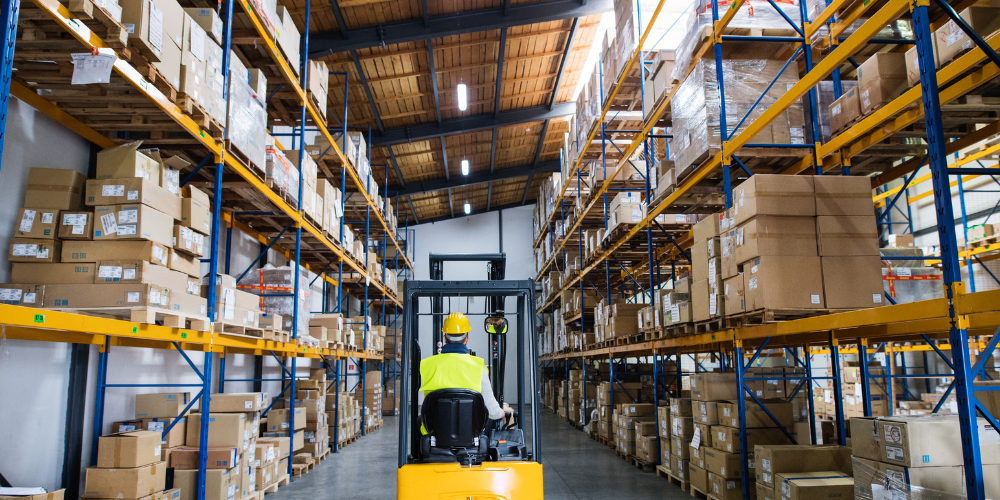
Why Smaller, More Agile Third-Party Fulfillment Centers Are Gaining Ground
In 2026, many brands are moving away from massive, rigid fulfillment providers in favor of more responsive partners.
This shift isn’t about size—it’s about alignment.
Brands are prioritizing:
- Faster communication
- Clear billing and transparency
- Custom workflows
- Proactive problem-solving
- Flexibility during growth phases
Strategic fulfillment centers understand that not every brand fits into a standard operating model—and they build processes around that reality.
Cost Transparency Becomes Non-Negotiable
As fulfillment becomes more strategic, brands expect clearer pricing models.
Rather than chasing the lowest per-order fee, brands are evaluating:
- Total fulfillment cost vs. in-house operations
- Predictability of monthly spend
- Scalability during peak seasons
- Cost of errors and delays
Fulfillment centers that clearly explain storage, labor, packaging, and value-added service costs build stronger, longer-term partnerships.
What Brands Should Expect from Fulfillment Centers in 2026
E-commerce brands entering or renegotiating fulfillment partnerships in 2026 should expect:
- Strategic guidance, not just execution
- Real-time data and performance visibility
- Flexible workflows that adapt to growth
- Support for bundling, subscriptions, and promotions
- Proactive communication around risks and opportunities
- A fulfillment partner invested in long-term success
If those expectations aren’t being met, it may be time to rethink the relationship.
The Bottom Line: Fulfillment Is Now a Competitive Advantage
The evolution of third-party fulfillment centers reflects a larger truth about modern e-commerce: operational excellence drives growth just as much as marketing and product.
In 2026, fulfillment is no longer just where products are stored—it’s where strategy is executed.
Brands that partner with forward-thinking fulfillment centers gain more than shipping support. They gain clarity, flexibility, and the operational foundation needed to scale with confidence in an increasingly competitive market.