
 Ideal Fulfillment
Learn how to prepare for Amazon’s Prep Service Shutdown and 3pl fulfillment center survival.
Amazon is making one of its biggest operational shifts in years—and it’s going to hit sellers hard if they aren’t ready. Beginning January 1, 2026, Amazon will permanently discontinue all in-house FBA prepand labeling services for its U.S. marketplace. That includes:
- FNSKU and item labeling
- Polybagging, bubble wrapping, and shrink-wrapping
- Kitting, bundling, and set labeling
- Category-specific prep (fragile, liquids, adult items, etc.)
- Any prep done through AWD, AGL, SEND, and Supply Chain Portal if the inventory ends up in FBA
In short: Amazon will no longer fix your prep mistakes.
Everything you send to an FBA fulfillment centermust arrive 100% compliant—or it risks rejection, delays, additional fees, or becoming unsellable.
For many sellers, this marks a major operational overhaul. But if you prepare now, you can turn this industry-wide disruption into a competitive advantage.
This survival guide breaks down exactly what sellers should do, step by step, to be fully prepared for Amazon’s 2026 prep service shutdown—and how to come out stronger on the other side.
Table of Contents
Why The Prep Service Shutdown Matters More Than You Think & 3pl Fulfillment Center Survival
Amazon’s prep services weren’t just a convenience—they were a safety net. So, the Amazon Prep Service shutdown is quite an altering event. If your products weren’t labeled correctly, packaged properly, or didn’t meet FBA’s strict criteria, Amazon could fix them for a fee. Starting in 2026, that safety net is gone.
Without proper prep:
- Your shipments can be rejected
- Inventory can be destroyed or returned at your cost
- Delays can cause stockouts, lost rank, and lost Buy Box
- You may receive performance notifications that hurt account health
- Amazon may deem items unsellable due to poor packaging or damage
This isn’t an optional update—it’s a fundamental shift in the supply chain.
Sellers who don’t adapt will face:
- Higher operational costs
- More time spent on logistics instead of growth
- Increased compliance risks
- Lower margins and slower replenishment
Sellers who do adapt early will benefit from:
- Smoother FBA check-ins
- Better inventory health
- Fewer delays
- Stronger brand reputation
- Scalable, predictable fulfillment operations
This guide ensures you’re in the second category.
Step 1: Audit Your Current Use of Amazon Prep Services
Before you can build a plan, you need clarity on how dependent your business currently is on Amazon’s prep system.
Start by answering these questions:
1. How many of your SKUs currently require Amazon prep?
Make a list that includes:
- SKUs that need labeling
- Items requiring polybags
- Fragile items needing bubble wrap
- Multipacks or sets
- Anything requiring special prep (expiration dates, regulated products, etc.)
2. Does your manufacturer prep anything today?
If your supplier already applies labels or polybags, you may only need small adjustments.
3. Do you do any prep in-house?
If so:
- Is your space large enough to scale?
- Do you have enough staff?
- Do you have documented SOPs?
4. How often has Amazon corrected issues for you?
Look at:
- Customer returns due to damage
- Past shipment issues
- Prep fees charged
- Warnings or performance notifications
5. What are your busiest seasons?
Peak periods require even more preparation because any operational slowdown can be devastating.
Step 2: Understand Amazon’s Prep Requirements Inside and Out
Once Amazon stops fixing mistakes, you become the compliance department.
Every SKU must be prepped to Amazon’s exact specifications, including:
Labeling Requirements
- FNSKU must be scannable and placed correctly
- Manufacturer barcode must be covered if using FNSKU
- Expiration dates must be printed and labeled properly
Packaging Requirements
- Suffocation warnings on polybags
- Case-packed items must meet weight/size limits
- Boxes must meet drop-test durability standards
Product-Specific Prep
- Liquids must be fully sealed
- Fragile items must be bubble-wrapped and secure
- Adult or restricted items require opaque packaging
- Batteries and hazardous goods require additional compliance
Bundle & Multi-Pack Prep
- Proper “Sold as set / Do not separate” labeling
- Correct barcoding for bundles
- Secure packaging to keep sets together
Tip: Create a detailed prep checklist for every SKU in your catalog.
If you don’t already have SKU-specific SOPs, this is the time to create them.
Step 3: Choose Your Long-Term Prep Strategy
After the shutdown, you’ll need a reliable, scalable way to get products FBA-ready. Most sellers will choose one (or a hybrid) of the following three strategies.
Option 1: Do Prep In-House
This works best if:
- You have warehouse space
- You want full control over operations
- You have steady or high volume
- Your team can handle the increased workload
Pros
- Full visibility and control
- Quick adjustments to mistakes or policy changes
- Potential long-term cost savings
Cons
- Labor costs increase
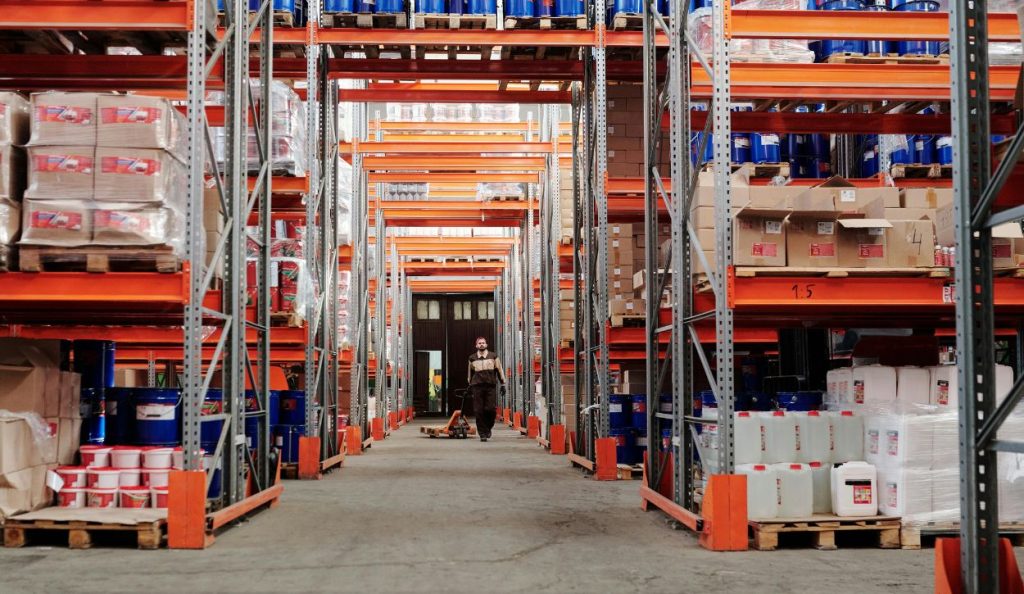
- Space, equipment, and training required
- Harder to scale during Q4
- You’re 100% responsible for compliance
What you’ll need:
- Barcode printers
- Industrial shelving and workstations
- Polybags, bubble wrap, boxes, tape
- Scanners and label software
- Staff trained in FBA prep standards
- A process management system
- Dedicated quality-control checks
If your catalog is large or diverse, in-house prep requires ongoing oversight to prevent costly mistakes.
Option 2: Have Your Manufacturer or Supplier Handle Prep
This is appealing because it eliminates a domestic step in your supply chain—but it comes with risks.
Pros
- Fewer touchpoints
- Lower per-unit prep cost
- Faster replenishment
- Reduces domestic warehouse needs
Cons
- Many overseas manufacturers misunderstand Amazon’s rules
- Fixing mistakes takes weeks or months
- Harder to enforce quality control
- Language barriers can lead to expensive miscommunication
If you choose this path, you must provide:
- Detailed prep SOPs
- Photo examples
- Packaging templates
- Sample labels
- Frequent QC inspections
- Random product checks after arrival in the U.S.
Option 3: Use a Professional Prep Center or 3PL
For many sellers, this is the most efficient option—especially after Amazon’s shutdown.
A third-party fulfillment center like Ideal Fulfillment handles:
- FNSKU labeling
- Polybagging and bubble wrap
- Bundling and kitting
- Fragile item prep
- Compliance for expiration dates
- Amazon-ready packaging
- DTC fulfillment (Shopify, TikTok, etc.)
- Storage and inventory management
Pros
- Expert compliance
- Easy to scale
- Reliable Q4 performance
- No need to hire a warehouse team
- Seamless multi-channel fulfillment
Cons
- Prep fees per unit
- You must choose a reputable provider
For most growing brands, outsourcing prep provides the best balance of cost and reliability.
Step 4: Build a Prep Plan for Each SKU
Once you know your strategy, document how every product will be prepped. This ensures consistency—even as you grow.
Your SKU prep plan should include:
1. Required materials
- Label type
- Bag size
- Bubble wrap thickness
- Box size
- Warning labels
2. Step-by-step prep instructions
Example:
- Inspect product for defects
- Seal product box
- Apply FNSKU label
- Polybag with suffocation warning
- Add expiration sticker
- Weigh and measure
- Add to case pack
3. Photos or diagrams
Visuals reduce mistakes significantly.
4. Packaging weight and dimensions
This helps optimize shipping and prep material costs.
5. Notes on fragile or regulated components
- Glass
- Liquids
- Batteries
- Cosmetics
- Supplements
6. Quality control check
Before sealing the case pack, have a QC checklist confirming that every unit meets Amazon’s standards.
Step 5: Prepare Your Warehouse (or Partner) for the Transition
Whether you’re creating an internal process or handing prep off to a partner, you must ensure your systems support smooth, on-time FBA replenishment.
If prepping in-house, you’ll need:
1. Dedicated Prep Space
A clean, organized space where:
- Staff can move freely
- Supplies are easily accessible
- Prep and storage are separated
2. A Prep Station Setup
Include:
- Label printer
- Scanner
- Tape dispenser
- Bubble wrap
- Polybags
- QC checklist
- Work instructions posted nearby
3. A Training Program
Your team should master:
- FBA prep rules
- Amazon’s packaging requirements
- Labeling accuracy
- How to avoid damage during packing
4. Inventory Management Software
This is essential to avoid overselling or stockouts.
If working with a prep center or 3PL:
1. Choose your partner early
Demand will spike dramatically in late 2025 when unprepared sellers panic.
2. Send sample shipments
Run tests on:
- Label accuracy
- Packaging quality
- Turnaround times
- Communication responsiveness
3. Share your SKU-specific SOPs
Even expert prep centers benefit from clear documentation.
4. Integrate systems
Connect:
- Seller Central
- Inventory forecasting tools
- Freight forwarding systems
- Shopify / TikTok Shop (if using multi-channel fulfillment)
5. Define your replenishment schedule
Once prep is outsourced, you can plan replenishment more strategically.
Step 6: Update Your Logistics Timeline for 2026 and Beyond
Removing Amazon prep changes your entire supply chain timeline.
You’ll need to factor in:
- Prep time
- Quality checks
- Possible rework
- Longer lead times for complex items
- Pickups and transfers between warehouses
- Seasonal delays
A smooth timeline might look like:
Day 0–2: Products leave supplier
Day 3–10: Arrive at prep center
Day 10–12: Prep completed
Day 12–14: Outbound shipping to FBA
Day 15–21: FBA check-in and availability
If you’re prepping in-house, keep in mind that staffing issues and unexpected spikes in volume can slow this down.
Step 7: Improve Packaging Quality to Reduce Damaged Units
Without Amazon’s help, packaging mistakes will cost you more than ever.
Now is the time to strengthen product protection.
Evaluate:
- Box durability
- Seals and closure strength
- Internal padding
- Protection for corners and edges
- Resistance to moisture and temperature
Upgrade if necessary:
- Thicker cardboard
- Better polybags
- Foam inserts
- Air pillows
- Stronger seals
Every additional cent spent on proper packaging can save you dollars in returned products, bad reviews, and lost rank.
Step 8: Create a Replenishment Forecast for 2026
Prep delays can cause dangerous supply chain bottlenecks. To avoid stockouts, you need a strong forecasting system.
Forecast using:
- Previous sales data
- Seasonality
- Growth trends
- Amazon lead times
- Prep center turnaround
- Restock limits
Build buffers:
- Extra prep time
- Safety stock
- Earlier purchase orders for Q4
- Alternative domestic suppliers for emergencies
A strong forecasting plan keeps your FBA pipeline healthy—and your cash flow steady.
Step 9: Strengthen Communication With Your Supply Chain Partners
With prep shifting away from Amazon, collaboration becomes more important than ever.
Communicate clearly with:
- Manufacturers
- Freight forwarders
- Prep centers
- Third-party warehouses
- Packaging suppliers
- Amazon account managers
Share:
- Prep SOPs
- Label templates
- Case-pack rules
- Packaging specifications
- Shipment timelines
- Q4 expectations
The more aligned your partners are, the fewer mistakes you’ll face.
Step 10: Start Transitioning Now—Not in 2025
Most sellers will wait until the last minute, which will lead to:
- Overwhelmed prep centers
- Slower processing
- Increased pricing
- Delayed shipments
- Amazon check-in bottlenecks
If you start now, you can:
- Test multiple prep solutions
- Document proper processes
- Train your team
- Optimize packaging
- Negotiate strong relationships with partners
Early movers will dominate Q4 2025 and enter 2026 with confidence—while procrastinators scramble.
How Ideal Fulfillment Can Help You Prepare for the 2026 Shutdown
Ideal Fulfillment offers end-to-end Amazon-compliant prep tailored to growing e-commerce brands. As Amazon steps out of the prep business, we step in to support:
FBA Prep Services
- FNSKU labeling
- Polybagging, bubble wrapping, and shrink wrapping
- Expiration date labeling
- Kitting, bundling, and set assembly
- Compliance for fragile, liquid, and regulated items
Multi-Channel Fulfillment
- Shopify
- TikTok Shop
- WooCommerce
- Walmart Marketplace
- Wholesale and B2B
Storage and Inventory Management
- SKU-level tracking
- Forecasting support
- Fast turnaround
- Q4-ready systems
With Ideal Fulfillment, sellers avoid the chaos of the 2026 shift and get a reliable partner who understands Amazon’s evolving rules.
Don’t Just Survive the 2026 Prep Service Shutdown—Use It to Your Advantage
Amazon’s decision for the prep service shutdown will disrupt the marketplace—but disruptions create opportunity.
Sellers who prepare now will:
- Strengthen their supply chain
- Improve margins through smarter prep
- Reduce delays and inventory issues
- Scale faster with predictable operations
- Build stronger relationships with prep partners
- Outperform competitors who wait too long
This isn’t just about compliance—it’s about building a more efficient, resilient, and scalable business.
If you want help creating your SKU-specific prep plan or want to explore outsourcing your prep to Ideal Fulfillment, just tell me your SKU count and current workflow. I can build your customized transition plan in minutes.