 Ideal Fulfillment
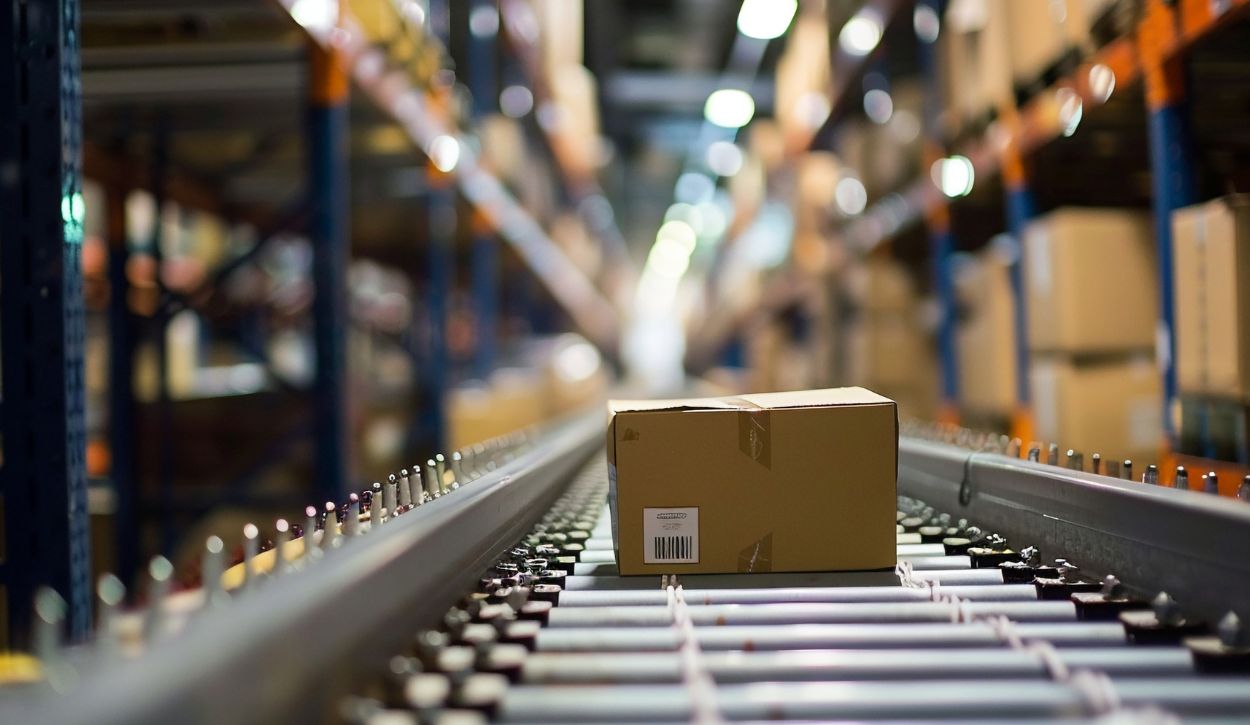
Amazon’s upcoming decision to end all FBA prepand labeling services in 2026 is more than a policy update—it’s a complete restructuring of how e-commerce sellers must handle their inventory. All the services sellers once relied on Amazon to handle for a fee—labeling, polybagging, bubble wrapping, bundling, kitting, shrink-wrapping, set labeling, expiration labeling, and more—will no longer be available.
Starting January 1, 2026, Amazon will not fix your prep mistakes.
They won’t label your products.
They won’t repackage damaged items.
They won’t bundle multipacks.
They won’t add warnings, stickers, or FNSKU barcodes.
Your products must arrive fully Amazon-compliant the moment they reach the fulfillment center—or they will be rejected, returned, delayed, or marked unsellable.
This is why transitioning your FBA prep to a third-party fulfillment center (3PL) before the 2026 deadline is critical. Sellers who wait will battle intense demand, overwhelmed prep centers, skyrocketing pricing, supply chain bottlenecks, and costly operational chaos.
This guide gives you a complete roadmap for making a smooth, stress-free, and profitable transition from Amazon prep to a professional 3PL—without disrupting your sales, rankings, or inventory flow.
Table of Contents
Why You Must Act Before the 2026 Deadline & 3PL Fulfillment Company
Most sellers will procrastinate until late 2025—and that’s exactly when the marketplace will hit a breaking point.
Here’s what will happen:
- Prep centers will hit capacity
- Prices will increase due to demand
- Lead times will grow longer
- Shipments won’t get prepped fast enough
- Inventory will arrive late at FBA warehouses
- Stockouts will skyrocket
- Buy Box ownership will drop
- Rankings will fall just when Q4 hits
Sellers who wait will find themselves competing for the last available slots in overbooked prep warehouses—while facing rejected shipments, delays, and Amazon performance warnings.
But sellers who transition early will enjoy:
- Guaranteed prep capacity
- Better pricing
- Personalized onboarding
- Time to test workflows
- Faster replenishment
- Lower risk of disruptions
- Stronger Q4 performance
Transitioning early isn’t just smart—it’s essential for protecting your Amazon business.
Step 1: Analyze Your Current FBA Prep Workflow
Before you shift to a 3PL, you must understand your current preparation process—what you do, what Amazon does for you today, and where your vulnerabilities lie.
Start by performing a prep audit across your entire catalog.
Categorize each SKU based on what prep it requires:
- FNSKU labeling
- Bubble wrapping or polybagging
- Shrink wrapping
- Box sets and kitting
- Bundle labeling (“Sold as set / Do not separate”)
- Expiration date labeling
- Fragile packaging requirements
- Liquid packaging compliance
- Suffocation warning requirements
- Special handling for adult, regulated, or hazmat items
You should also identify:
- Which SKUs Amazon is currently prepping for you
- How frequently you’re paying prep fees
- SKUs that have received inbound defect notifications
- Any ASINs you’ve had rejected or delayed
- Items that consistently receive customer complaints due to packaging issues
This audit will reveal where you rely on Amazon today—and what bottlenecks you must eliminate before 2026.
Step 2: Define Your Post-Amazon Prep Strategy
When Amazon ends its prep services, sellers have only three realistic options:
- Bring all prep in-house
- Have the manufacturer prep the inventory before it ships
- Outsource prep to a 3PL
Let’s break down the pros and cons so you can choose the right strategy.
Option 1: Doing Prep In-House
This requires you to become your own prep center.
Pros
- Full control over quality and compliance
- Faster turnaround for urgent shipments
- Potential savings if you have high volume
Cons
- Requires warehouse space
- Requires trained staff
- Requires purchasing equipment (printers, tables, sealing machines, etc.)
- Must implement error-proof QC
- Higher costs during peak season
- Limited scalability
- You become fully responsible for every compliance detail
Most small and mid-sized brands will find this difficult and costly to maintain.
Option 2: Having the Manufacturer Prep Your Products
Many sellers assume they can simply ask their supplier to label and prep items for FBA. This works sometimes, but it depends heavily on your manufacturer’s expertise.
Pros
- Least amount of work for the seller
- Can bundle into manufacturing costs
- Reduces domestic handling needs
Cons
- Many suppliers do not understand Amazon’s strict guidelines
- Labeling mistakes can take months to fix
- Errors lead to expensive delays
- Difficult to verify compliance from overseas
- Quality varies dramatically between suppliers
This may work for simple products, but it’s not reliable for multi-component items, fragile goods, or regulated categories.
Option 3: Outsourcing Prep to a Third-Party Fulfillment Center
For most sellers, this is the simplest, safest, and most scalable option.
A professional 3PL like Ideal Fulfillment can handle:
- Labeling
- Polybagging
- Bubble wrapping
- Kitting and bundling
- Assembly of multi-packs
- Compliance for fragile or liquid goods
- Expiration labeling
- SKU-level organization
- Inspection for damaged goods
- Fast turnaround for FBA replenishment
Pros
- Expert FBA compliance
- Predictable per-unit costs
- Easy to scale as you grow
- No need for staff or warehouse
- Fewer mistakes
- Faster replenishment cycles
- Peak season support
Cons
- Requires onboarding and integration
- Must choose a reputable partner
Because Amazon won’t be your backup plan after 2026, having an experienced 3PL becomes a critical part of your operations.
Step 3: Choose the Right 3PL—Before Demand Surges
Choosing a 3PL is one of the most important decisions you’ll make in 2025.
Look for a partner that offers:
True FBA Prep Experience
They should understand:
- Amazon’s prep standards
- Barcode placement
- Liquid and fragile handling
- Multipack assembly
- Expiration labeling
- Re-bagging and re-boxing
- Hazmat regulations
Fast Turnaround Times
Especially during:
- Q4
- Prime Day
- Lightning deal periods
- New product launches
Transparent Pricing
Beware partners with unclear fees, hidden charges, or overly complex structures.
Multi-Channel Fulfillment
Your 3PL should support:
- Shopify
- TikTok Shop
- Walmart
- Wholesale
- Subscription boxes
- Influencer kits
Strong Communication
They should respond quickly, offer clear updates, and maintain excellent tracking.
Technology Integration
Look for:
- Inventory visibility
- Automated restock workflows
- Real-time reporting
- Seamless connection with Seller Central
Scalability
Your 3PL must be able to grow as your business expands—without bottlenecks.
Don’t choose a warehouse just because it’s cheap.
Choose a 3PL because it’s reliable—and because it understands Amazon.
Step 4: Build Your New FBA Prep Workflow With Your 3PL
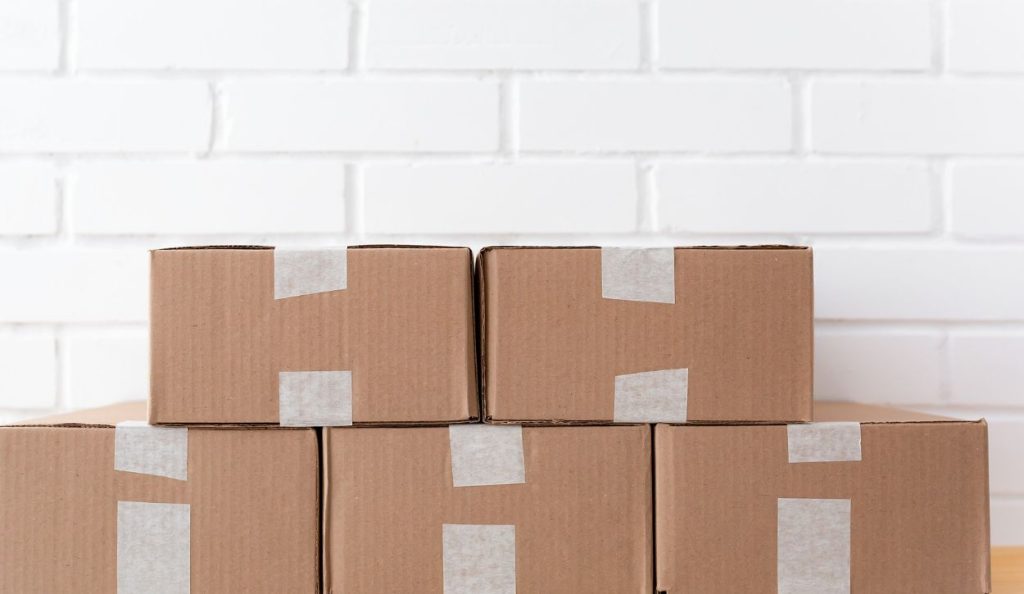
Once you partner with a 3PL, it’s time to create a seamless system that replaces Amazon’s prep services.
Step 4.1: Onboard Each SKU
For each product, document:
- Required prep steps
- Required materials (polybags, bubble wrap, labels, boxes)
- How units should be inspected
- Any known defect risks
- Photos of how the final unit should look
- Multi-pack or bundle instructions
- Expiration or batch number placement
Share this documentation with your 3PL to ensure perfect accuracy.
Step 4.2: Test Sample Shipments
Send small test batches to your 3PL for:
- Prep timing
- Accurate labeling
- Packaging durability
- FBA receiving times
- Compliance review
These early tests will uncover issues long before the 2026 deadline.
Step 4.3: Establish Communication Channels
Define:
- Who receives inbound notifications
- Who approves outbound shipments
- The process for reporting defects
- The daily communication schedule
Clarity eliminates confusion.
Step 4.4: Determine Replenishment Frequency
Work with your 3PL to determine:
- How often you replenish FBA
- How many weeks of inventory you need
- How far ahead you order from manufacturers
- How quickly your 3PL can turn around shipments
Together, you can build a replenishment model that prevents stockouts.
Step 5: Update Your Supply Chain Timeline for Faster, Smoother Prep
Amazon’s shutdown changes your entire supply chain. Properly timed prep is now a non-negotiable part of your logistics flow.
Your new timeline should include:
1. Supplier Production Timeline
Manufacturing → Packaging → Pre-shipment inspection
2. Freight Logistics
Ocean or air transport → customs → drayage → final delivery
3. 3PL Receiving and Inspection
Inbound pallet breakdown → SKU verification → damage inspection
4. FBA Prep
Labeling → polybagging → compliance checks → final QC
5. Outbound FBA Shipment
Palletizing → LTL pickup → Amazon appointment → check-in
Every stage must be optimized to avoid delays.
A good 3PL will help you:
- Predict lead times
- Prevent bottlenecks
- Manage seasonality
- Adjust for Amazon restock limits
- Reduce check-in delays
- Improve inventory health
Step 6: Create SKU-Specific Standard Operating Procedures (SOPs)
To avoid errors, every SKU needs a prep guide.
Your 3PL should be able to create this with you.
Your SKU SOP should include:
- Photos of the prepped product
- Required materials
- Step-by-step prep instructions
- Barcode placement instructions
- Handling notes for fragile items
- Instructions for bundling or kitting
- Expiration date requirements
- Safety or regulatory labels
This ensures consistency—even as your catalog grows.
Step 7: Strengthen Quality Control Before Products Ship to Amazon
A strong QC process before FBA is now essential.
Your 3PL should:
- Inspect incoming goods
- Highlight damage or defects
- Verify quantities
- Identify packaging issues early
- Correct labeling problems
- Alert you before issues affect your Amazon account
Quality control directly influences:
- Amazon receiving time
- Customer satisfaction
- Product review scores
- Defect rate
- Long-term listing health
With Amazon ending prep, the responsibility for getting this right falls entirely on you and your 3PL.
Step 8: Optimize Packaging for Amazon Durability Standards
Amazon frequently updates packaging rules to reduce damaged items. Without Amazon stepping in to fix mistakes for you, your packaging must be bulletproof.
Your 3PL can help you ensure:
- Boxes are durable and drop-tested
- Liquids comply with double-seal rules
- Fragile items have adequate cushioning
- Polybags meet suffocation warning requirements
- Irritant items are bagged securely
- Bundles stay sealed during transport
Better packaging equals fewer returns, better reviews, and fewer headaches.
Step 9: Build Safety Stock to Protect Against Prep Delays
When Amazon handled prep, sellers could ship directly to FBA with minimal handling. But adding a 3PL introduces an additional step in your supply chain, which requires buffer inventory.
Build safety stock to protect against:
- Freight delays
- Staffing shortages
- Manufacturing errors
- Weather disruptions
- Holiday surges
- Shipping carrier backups
Work with your 3PL to forecast inventory needs so you never run out.
Step 10: Start Transitioning NOW—Not in 2025
The biggest mistake sellers will make is waiting.
In 2025, demand for 3PL prep services will skyrocket.
Warehouses will reach capacity.
Prices will increase.
Lead times will double.
Sellers will panic.
But sellers who transition now will:
- Get locked-in pricing
- Secure guaranteed capacity
- Build streamlined workflows
- Test shipments during slow seasons
- Enter 2026 with confidence
Proactive sellers will dominate.
Reactive sellers will scramble.
Why Ideal Fulfillment Is the Perfect Partner for Your 2026 Transition
Ideal Fulfillment specializes in supporting Amazon sellers through this exact operational transformation.
We offer:
Fast Turnaround Times
Quick, reliable prep—even during Q4.
All-In-One FBA Prep
Labeling, bagging, wrapping, bundling, kitting, set labeling, expiration labeling, and more.
Detailed Quality Control
We inspect every unit for defects, damage, or non-compliance.
Multi-Channel Fulfillment
Support for Shopify, TikTok, Walmart, wholesale, and subscription orders.
Real-Time Inventory Management
Tracking, forecasting support, and SKU-level organization.
Freight Support
Container receiving, pallet breakdown, and shipment consolidation.
Dedicated Customer Support
Fast communication, reliable updates, and total transparency.
Ideal Fulfillment is here to make your transition smooth, stress-free, and profitable.
Transition Early and Protect Your Business Before It’s Too Late
Amazon’s 2026 prep shutdown marks a turning point for every FBA seller.
Those who prepare will:
- Strengthen their operations
- Improve inventory health
- Reduce inbound defects
- Increase restock speed
- Prevent stockouts
- Protect their rankings
- Scale more efficiently
- Gain a competitive edge
Those who wait will face:
- Rejected shipments
- Storage delays
- Out-of-stock issues
- Lost Buy Box placement
- Damage to listing performance
- Operational chaos